My Role
Frontend and technical SEO implementation
Developed a fully dynamic hospitality website using Next.js and Tailwind CSS with backend-driven content, technical SEO, scalable blog pages, optimized metadata, and performance improvements for better search visibility and user experience.
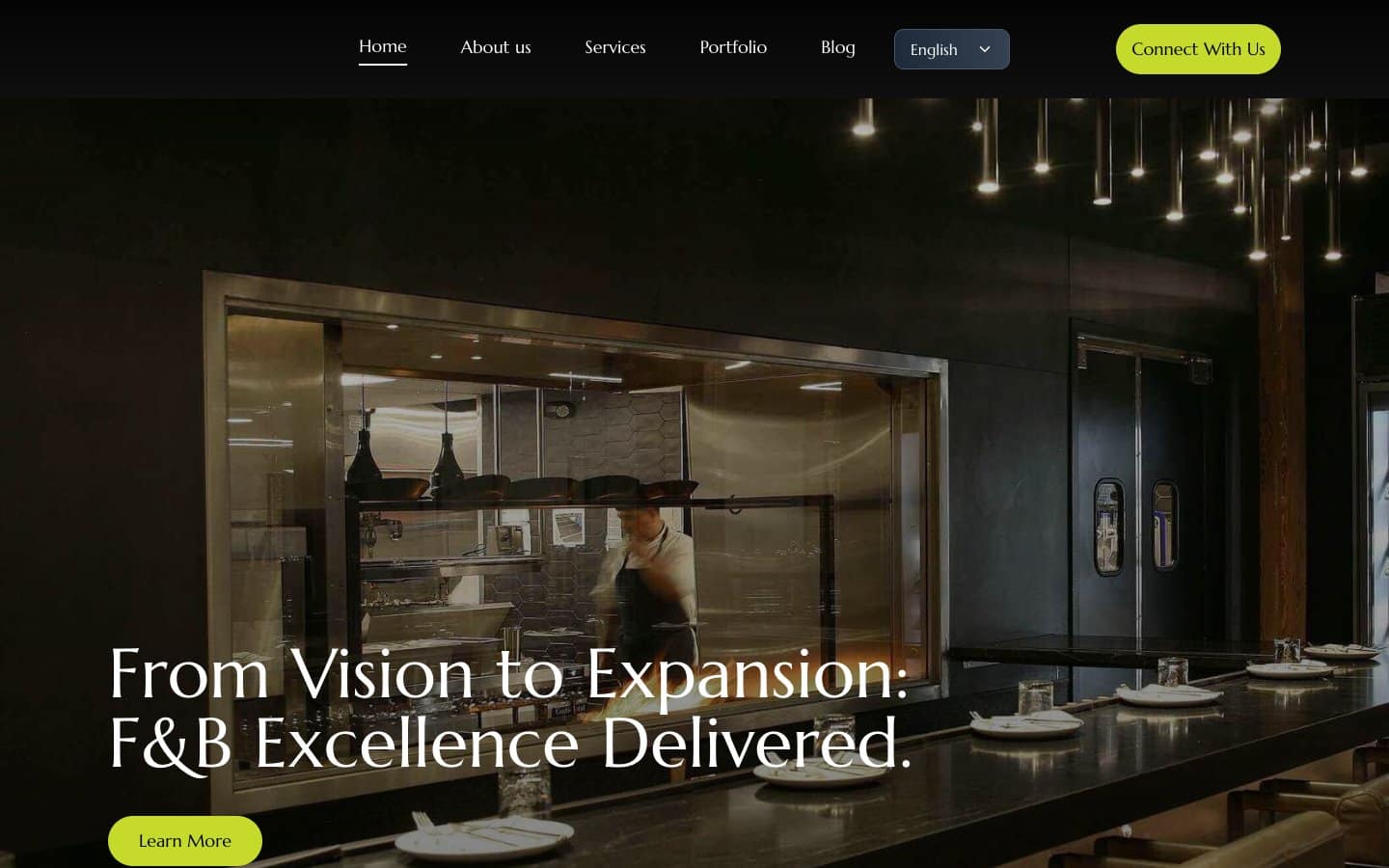
Live site captured on 2026-09-11; it may have changed since.
Project context
Glee Hospitality is a hospitality brand with a website supporting its business and ongoing content. The project focused on a dynamic Next.js site, backend-driven pages, a scalable blog structure, and technical SEO foundations.
What needed attention
My Role
Frontend and technical SEO implementation
Scope
The work included responsive page templates, a publishing structure for articles, editable content, and technical SEO setup.
Outcome
The team received a site foundation it can update and extend as hospitality content grows; no numeric results are published.
How it was built
Built reusable Next.js page templates connected to backend-managed content. This gave the site a structure for editable pages and continued publishing.
Created blog page patterns to support ongoing article publishing. The structure gives new content a consistent place within the site.
Implemented metadata and technical SEO updates as part of the site build. No ranking results or search-traffic figures are published.
Refined the responsive interface and applied performance improvements across the experience. No measured speed or Core Web Vitals results are published.
Technology decision
Next.js suited the reusable page templates, backend-managed content, and page-level metadata needed for this site. Tailwind CSS provided a consistent way to build and refine responsive layouts across those templates.
At a glance
Page content is connected to backend-managed data rather than fixed page copy.
Reusable blog patterns support ongoing article publishing.
Page metadata supports clear search-result descriptions.
Page templates adapt to different screen sizes.
Performance refinements were included in the build; no numeric results are published.
Delivery approach
Review the site needs, content types, and publishing goals.
Plan reusable page patterns, blog structure, and metadata handling.
Implement the Next.js interface and connect backend-managed content.
Check responsive pages and prepare the content foundation for ongoing use.
Continue Exploring
Compare this project with other examples to see how the delivery approach changes across products, platforms, and business goals.



Share the business goal, requirements, and timeline to discuss a practical delivery plan with Gandhi Tech.